
Visiting Tulum ruins from Playa del Carmen
The Tulum ruins offer a coastal archaeological visit within reach of Playa del Carmen. The site is a choice for travelers who want to spend part of a day among Maya remains and then explore another part of the Riviera Maya. Decide first whether the ruins are the main purpose of your outing or one stop in a longer itinerary: that choice affects how much time you can devote to the site and what else fits around it.
The INAH visitor portal lists the archaeological zone as open daily from 08:00 to 17:00, with last entry at 15:30. This is the information displayed on its undated portal, accessed in November 2026. Allow room in your plans for the journey and for reaching the archaeological entrance. The wider park, beaches and protected area are distinct from the archaeological zone, so a visit to one should not be confused with admission to another.
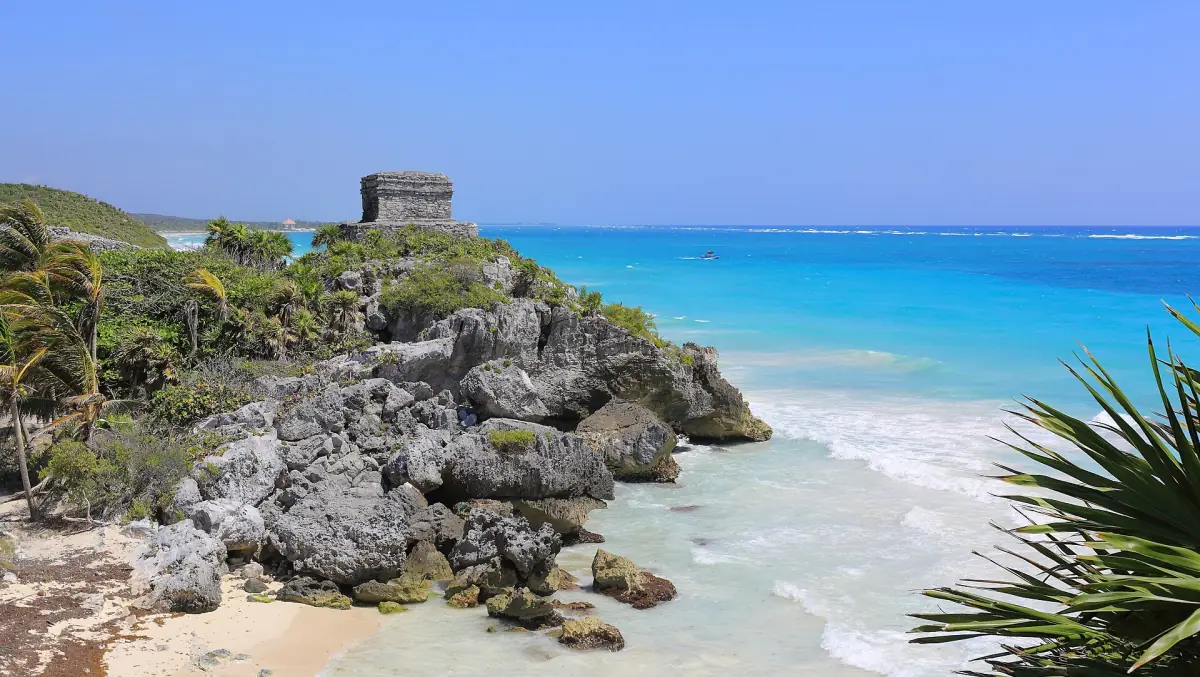
Tulum excursions
The shared excursion combines guided archaeological visits with a cenote and buffet. For private transport, consider the Tulum and cenotes trip.
Hand-picked tours, booked through GetYourGuide and Viator. Prices are indicative starting prices in US dollars (as of October 2026). Tap a tour for live availability and the current price in your currency.
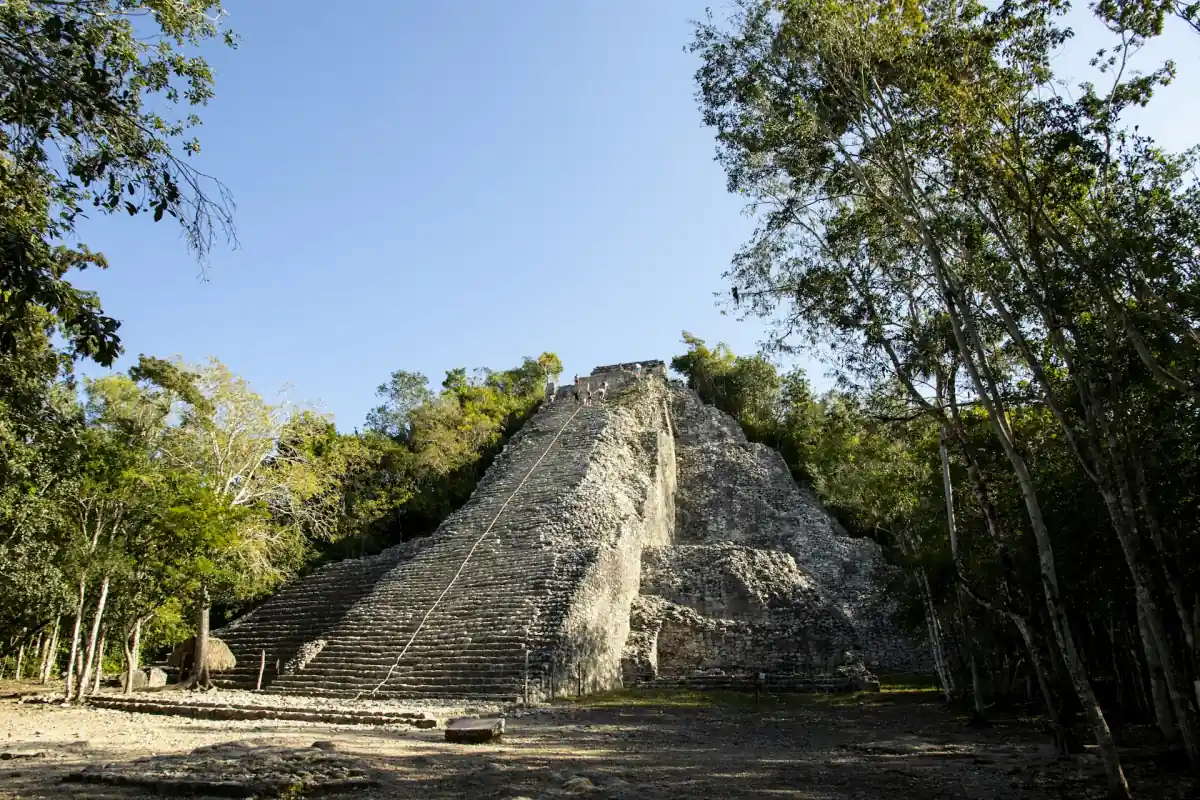
Private Tulum and cenotes
- Private transportation
- Use of Snorkelling equipment
The listed stops include Tulum and two cenotes.
Check availability →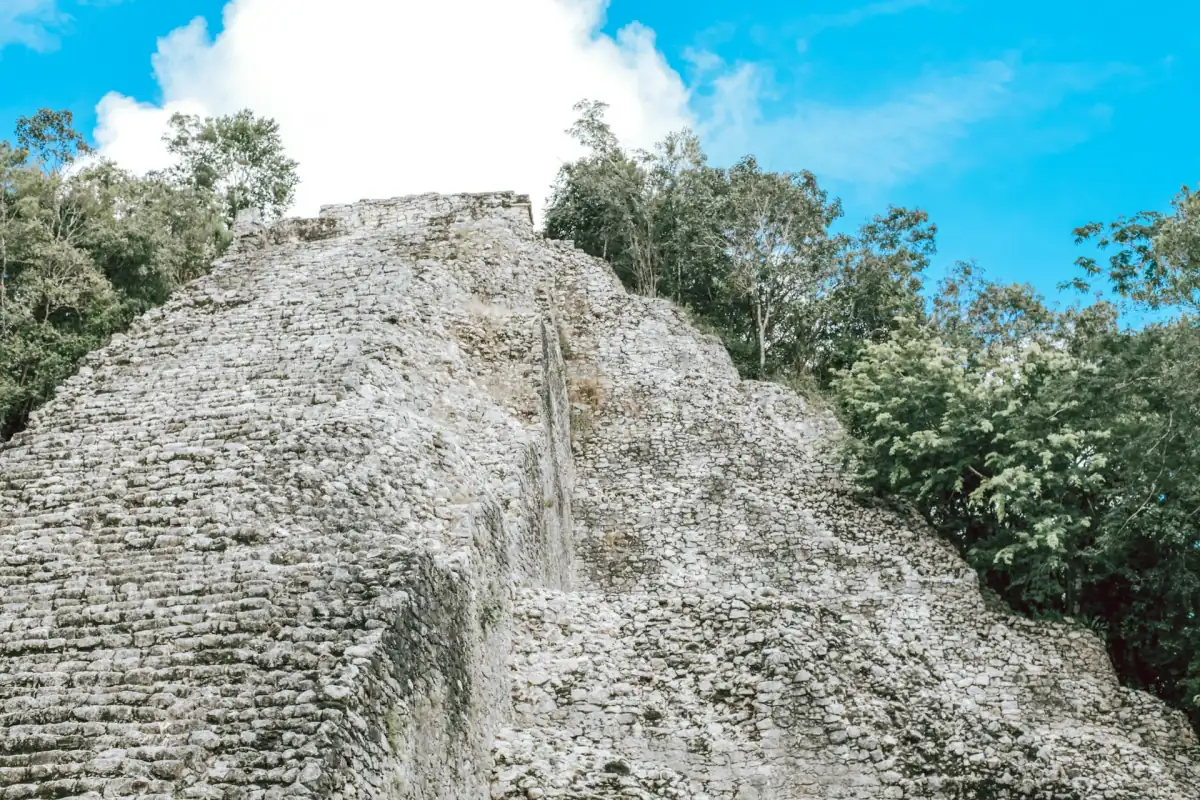
Tulum and lagoon excursion
- Snorkeling gear
- Beachside lunch
Transport from most regional hotels is included; confirm your pickup.
Check availability →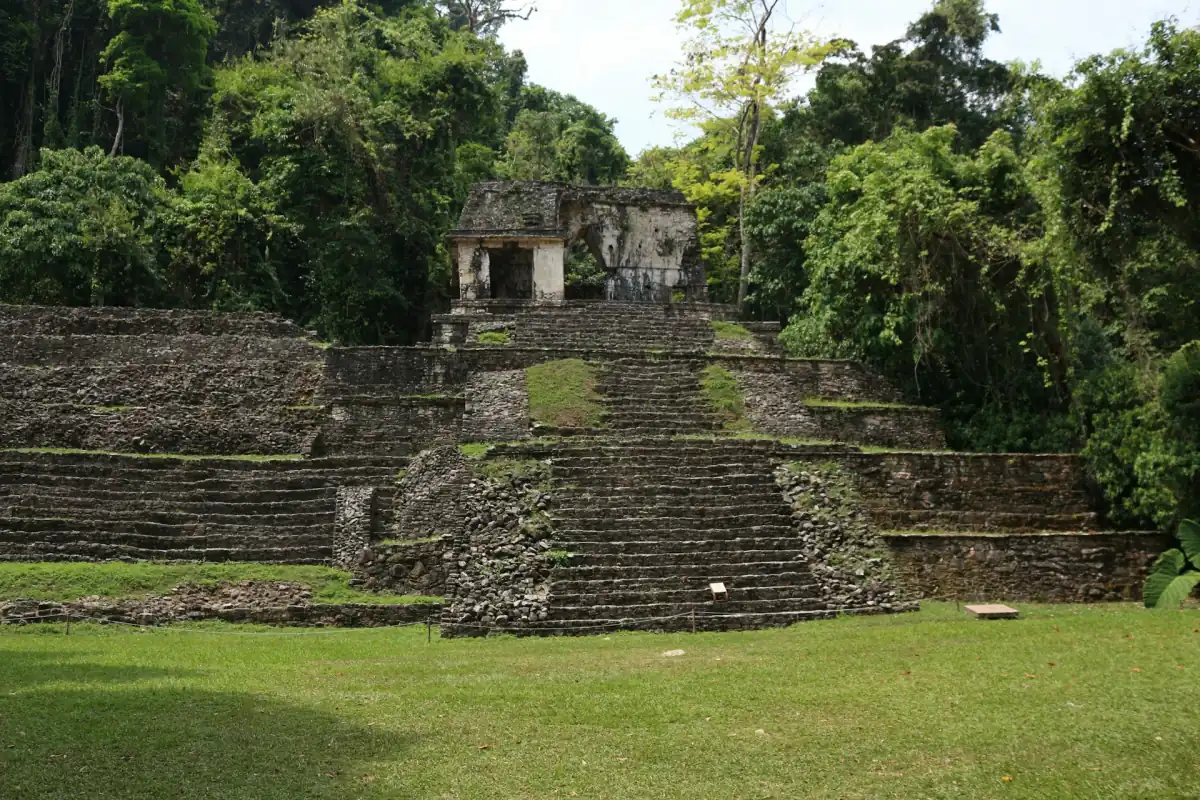
Tulum, Cobá and a cenote
- Cenote entrance ticket
- Buffet lunch
Archaeological admission is extra unless the all-inclusive option is selected.
Check availability →Tulum ruins tours
Choose between a combined archaeological outing and a private transport option, paying attention to the entry and transfer terms of each.
Mayan architecture by the coast
The archaeological zone brings the remains of Maya architecture into a coastal setting. Take time to look at the relationship between the stone structures and the sea rather than treating the stop simply as a photograph on the way to somewhere else. The coastal setting is also what distinguishes this visit from Cobá, a Maya city associated with lagoons and raised connecting routes. The two sites offer different contexts for a regional itinerary.
A combined trip can be appealing when you want to see more than one landscape without arranging every leg yourself. It also divides your available time between stops. If the archaeological zone is your priority, compare the itinerary carefully and leave space to move through it at a comfortable pace. A visit focused on the ruins is a different choice from a day that also puts swimming or a second destination on the schedule.
Entry, the park and practical rules
Park and beach access should be considered separately from the archaeological and protected-area components of a visit. A government announcement in July 2026 described free access to the park and beaches alongside a paid archaeological and protected-area visit. The current amount for the complete archaeological visit needs checking at the point of purchase. Do not treat free park or beach access as a ticket into the ruins.
INAH lists restrictions on smoking, food and pets in the archaeological zone. It also notes an additional fee for professional cameras. Plan what you carry accordingly and check the applicable admission conditions for your group. If your day includes swimming elsewhere, keeping the items for that stop separate from what you need at the ruins makes the change of activity easier.
Choosing a tour or independent visit
One combined Tulum and Cobá option also includes a cenote and cave experience. Archaeological fees are extra except with its all-inclusive option, while transfer depends on the option selected. A separate private transport itinerary names ruins and cenote visits. Another combined outing includes a guided Tulum visit alongside water stops; its listed inclusions do not specify Tulum admission. Compare the exact inclusions and starting arrangements when choosing, rather than assuming that every itinerary covers the same fees.
For a wider comparison, see day trips from Playa del Carmen. If a freshwater stop is the main attraction, the cenotes guide explains how swimming areas and visitor rules differ. Travelers who prefer to arrange the journey themselves can use the transport guide to think through connections and the amount of time to reserve for travel.
Keep the opening window in mind when ordering the day. A late arrival leaves less time before the last entry, even though the listed closing time is later. For a combination with another stop, look at the itinerary as a whole: a water visit requires different clothing and preparation from a walk through an archaeological site. A straightforward plan is to decide which experience matters most, then choose a combination that gives it enough space.
Frequently asked questions
When are the Tulum ruins open?
INAH lists daily opening from 08:00 to 17:00 and last admission at 15:30, on its undated visitor portal accessed in November 2026.
Does park access include the ruins?
Treat park and beach access separately from the archaeological and protected-area visit, and check the admission conditions for the latter.
Can I combine Tulum with a cenote?
Yes. Some itineraries combine the ruins with a cenote or other water stops. Their transport and admission terms differ.
Is Cobá the same kind of visit?
Both are archaeological destinations, but Cobá is associated with lagoons and raised routes, while Tulum has a coastal setting.