
Playa del Carmen history and Xaman Ha
Playa del Carmen history reaches back beyond the modern streets around the waterfront. The municipality's historical account identifies today's city with Xaman Ha and places it within Ecab, a Maya political region. This older settlement and the municipality that exists today belong to different periods. Looking at them together gives a useful starting point for understanding a coast that has changed considerably.
For a visitor, the sea is a helpful way to orient that story. The connection with Cozumel is part of the local account, as are fishing and the gathering of chicle and copra. The modern waterfront is a place to consider those links, even though the buildings and activity encountered today reflect a much later city.
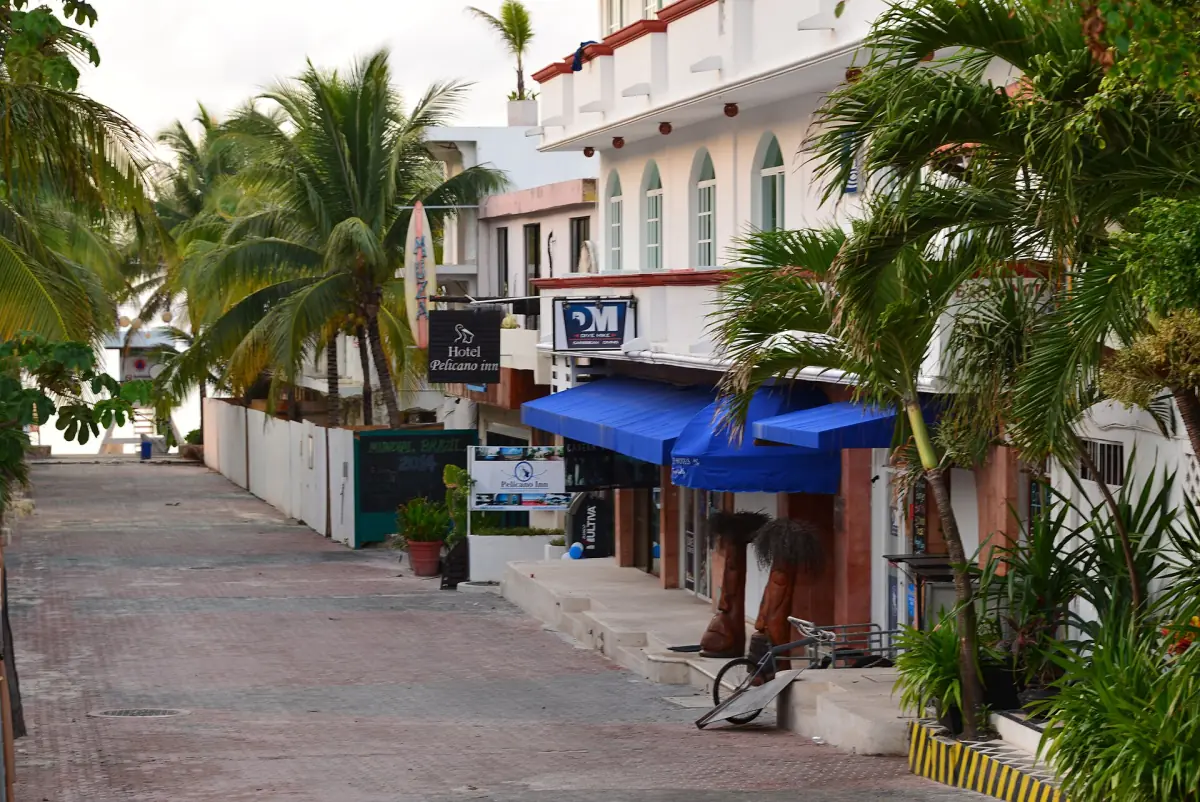
From coastal livelihoods to a growing city
Chicle and copra appear in the municipal account alongside fishing. These activities help explain why the coast was more than a backdrop: the sea and the resources of the surrounding region shaped livelihoods and links between places. The account also describes stronger growth from the 1960s. That transition offers a frame for the much busier city visitors see today, without reducing its earlier history to a single date.
Try starting at Parque Fundadores near the sea. Portal Maya and the southern beginning of Quinta Avenida sit in the same area as the central passenger ferry connection. From there, a walk along Fifth Avenue lets you experience the present city before returning to the waterfront. The setting is a point of orientation, not a reconstructed historical scene.
A guided history walk
A local guide shares cultural and historical perspectives on the city.
Hand-picked tours, booked through Viator. Prices are indicative starting prices in US dollars (as of October 2026). Tap a tour for live availability and the current price in your currency.
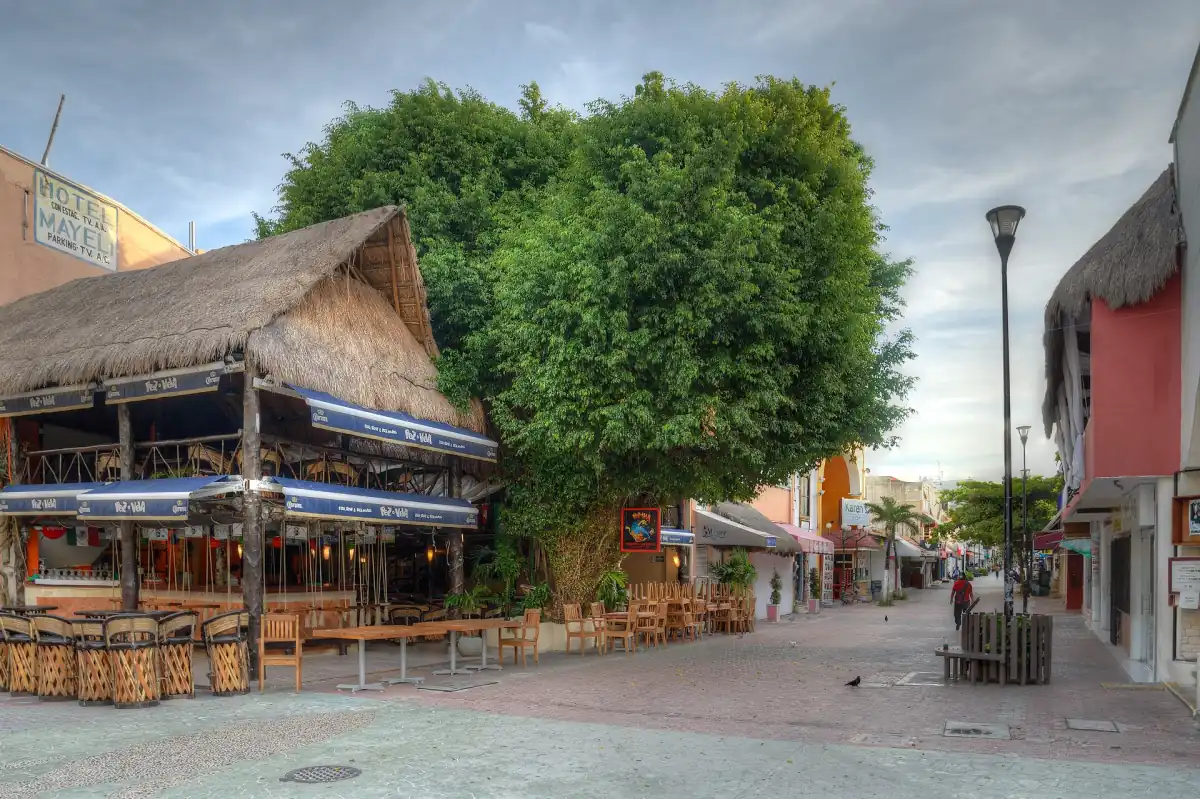
A walk through local history
A coastal heritage walk offers another way to approach the city's past; the listing currently has three reviews.
Town, municipality and a change of name
In 1993 the municipality was formed from what had been part of Cozumel's territory. Its anniversary is observed on July 28. This administrative event should not be confused with the founding of Xaman Ha or treated as the start of settlement on the coast. The distinction matters when a local anniversary and a much longer Maya history appear in the same account.
In March 2025 the change of the municipality's name from Solidaridad to Playa del Carmen was approved. Older documents can therefore use Solidaridad for an area that current municipal documents call Playa del Carmen. The change concerns the administrative name; it does not turn the earlier settlement into a different destination.
Explore the wider Maya region
The coast is also a base for seeing places that tell different parts of the region's Maya story. At Tulum, the archaeological site occupies a coastal setting. Cobá, by contrast, is associated with lagoons and raised routes called sacbe'ob, which connected ceremonial, administrative and residential areas. Neither site is a substitute for the local history of Xaman Ha; each offers its own context.
A guided walk is useful if you prefer to discuss the present city and its heritage on foot. For a broader choice of outings, see the walking tours page. To follow the island connection yourself, the Cozumel ferry guide explains the passenger crossing. Allow time for the journey as well as for the place you want to explore.
Chichén Itzá
For another regional perspective, explore the Temple of Kukulcan at Chichén Itzá.
History questions
What was Xaman Ha?
The municipal historical account associates Xaman Ha with today's Playa del Carmen and the former Maya region of Ecab.
Was Playa del Carmen founded in 1993?
The municipality was formed in 1993. The historical settlement is older, so the date describes an administrative change rather than its beginning.
Why do older documents say Solidaridad?
That was the municipality's earlier name. The change to Playa del Carmen was approved in March 2025.
How can I connect local history with a regional visit?
Walk by the waterfront and Quinta Avenida, then consider the distinct archaeological settings at Tulum or Cobá. Their stories add context to the coast without replacing its own history.